Visual effects (VFX) have become an essential part of the entertainment industry. But in interactive media, they play a special role. To understand what VFX in games are, just recall your favorite video game scenes: spell bursts in Skyrim, destruction in Battlefield, or the soft glow in Journey. These are the effects that bring a game’s world to life, help players understand what’s happening in the game, and turn a simple video feed into a full-fledged gaming experience.
In this article, we’ll break down what VFX in games are, why they matter, what types exist—and much more.
VFX in games
Visual effects (VFX) in games are graphical elements designed to enhance atmosphere, add a touch of realism, and help players navigate the world of the game. Unlike in movies, VFX in games exist in real time: whether it’s the flames of a burning tower in The Witcher 3, a magical vortex in Skyrim, or smoke from a grenade in Counter-Strike 2, they all appear instantly when the player performs an action.
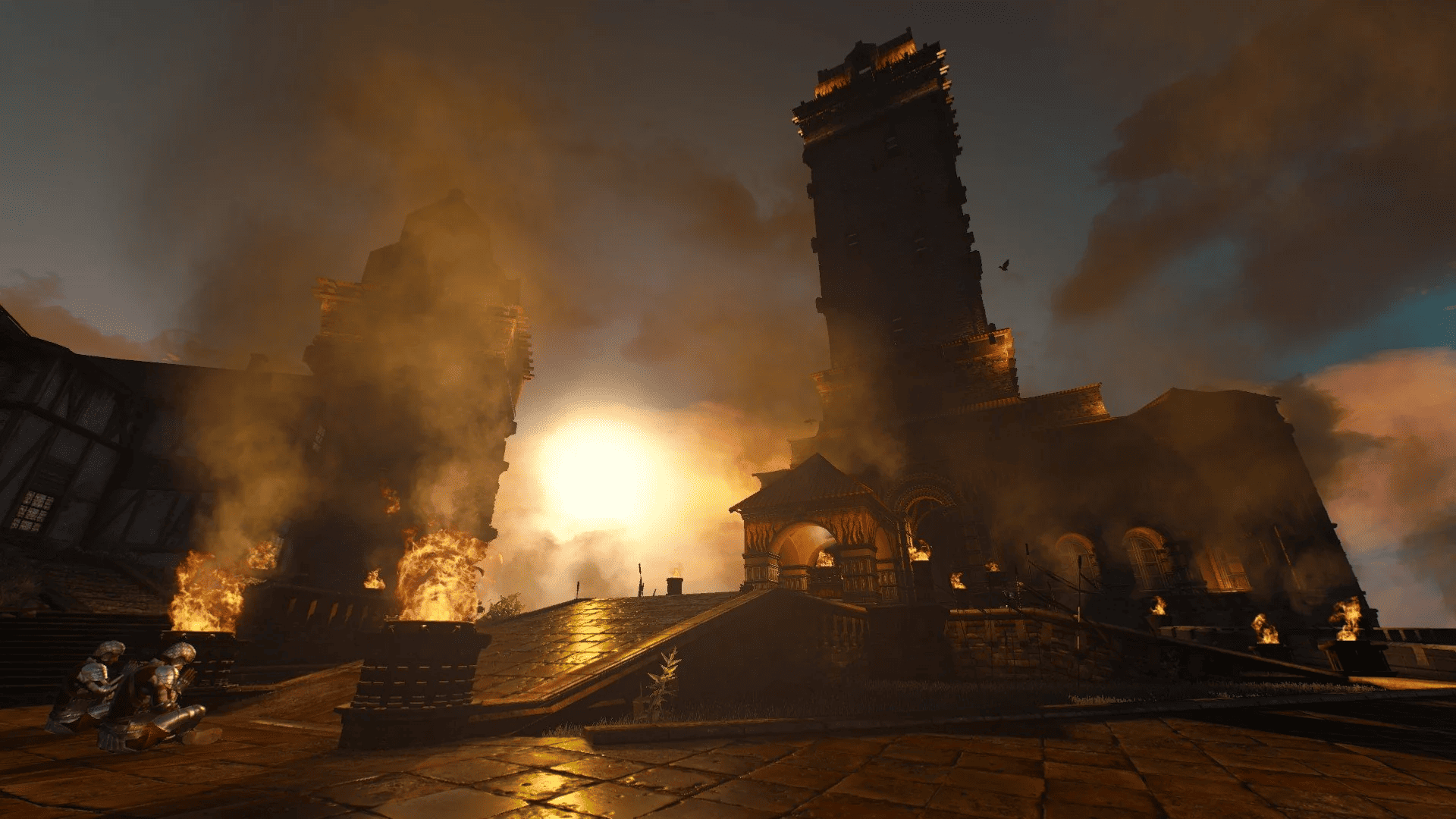
The Witcher 3: Wild Hunt. Source
Main types of VFX in gaming
Environmental effects
These visual effects (environmental VFX) define the atmosphere of the game world. It could be fog hiding danger, a blizzard limiting visibility, or sunbeams piercing through foliage.
In Red Dead Redemption 2, players can feel the breath of nature: campfire smoke drifts with the wind, rain leaves puddles on the road, and sunsets look like living paintings. Environmental effects contribute to both aesthetics and gameplay mechanics—for example, the fog effect can be used to obscure enemies.

Red Dead Redemption 2. Source
Combat effects
Combat VFX boost the intensity of battles and provide instant feedback to players. In Overwatch or League of Legends, each ability has a unique animation: the flash of an ultimate, the fiery trail of a strike, or an explosion with colorful particles.
Combat visual effects must be spectacular but also “readable”—the player has a split second to understand what attack is being used and how to react. That is exactly why VFX artists pay close attention to color coding and shaping the effects in a certain way.

League of Legends. Source
Atmospheric and narrative effects
These VFX aid in conveying drama and story depth. In God of War, portals come alive with energy flows, destruction is accompanied by dust and rock fragments, and flashes during cutscenes serve to make story moments more impactful.
In adventure games, visual effects act like a director, guiding the player’s focus and amplifying emotional resonance.
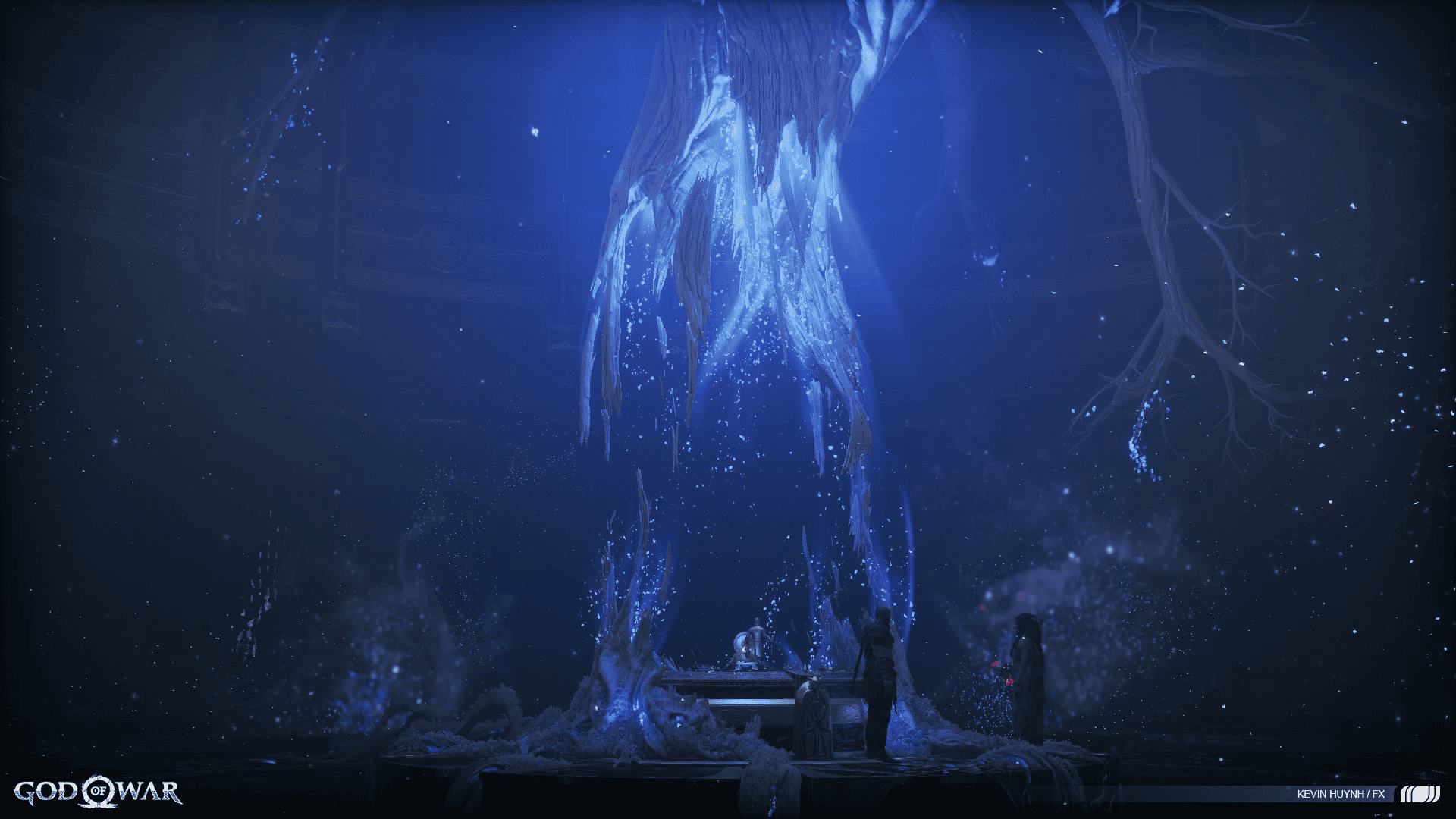
God of War. Source
Interface effects (HUD and UI VFX)
HUD VFX connect gameplay and visuals. Highlighted active items, health indicators, damage flashes, or target markers—these are all examples of interface effects.
In Dead Space, the HUD is embedded directly into the protagonist’s suit—the health bar that runs along his spine and the oxygen gauge on his helmet become part of the game world. This HUD doesn’t distract the player—on the contrary, it actually deepens immersion.
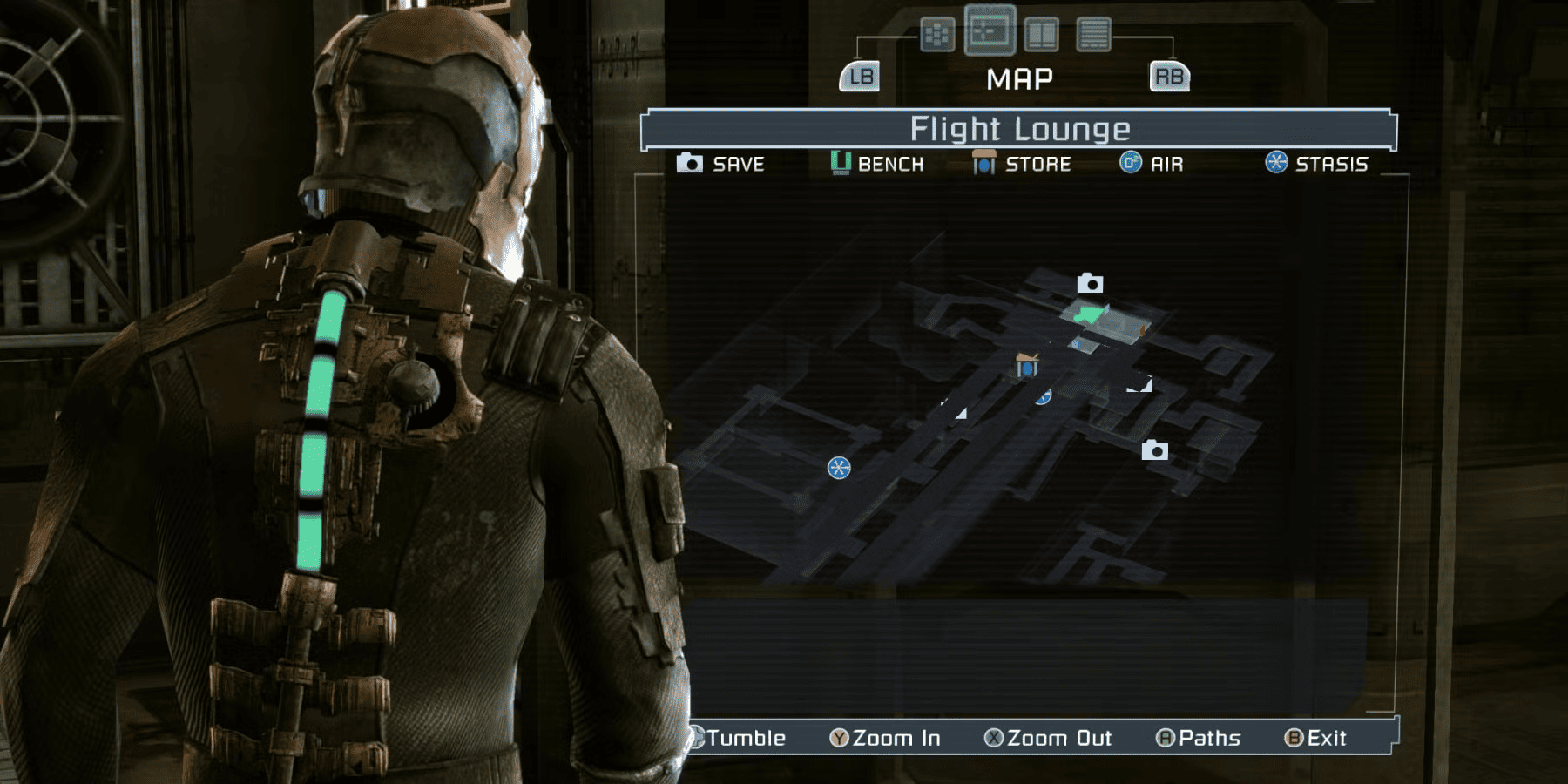
Dead Space. Source
Modern projects often use dynamic interface effects that appear only when needed, to keep the screen uncluttered at all times.
How visual effects are created in gaming
Building VFX is a complex, multi-stage process that requires both artistic vision and technical precision. Game artists work closely with programmers and designers to ensure that each visual effect is not only beautiful but also functional—enhancing immersion and helping players smoothly navigate gameplay.
Concept and planning
This step establishes the logic of visual effects. In gaming, artists and designers consider not only the aesthetics but also how the effect “communicates” with the player.
For instance, a red flash always signals damage, a green glow indicates healing, and a golden shimmer hints at rare loot. In Diablo IV, it’s the color and shape of the VFX that allow players to instantly recognize what is happening on the screen.

Diablo IV. Source
2D and 3D animation
Next, the VFX are created. Simple gunfire flashes can be made as 2D textures, while complex spells may involve 3D animation.
In World of Warcraft, fireballs and magic circles are created as a combination of 3D models and animations, which makes them look volumetric and dynamic. This approach allows visual effects to remain recognizable even in the middle of chaotic battles.
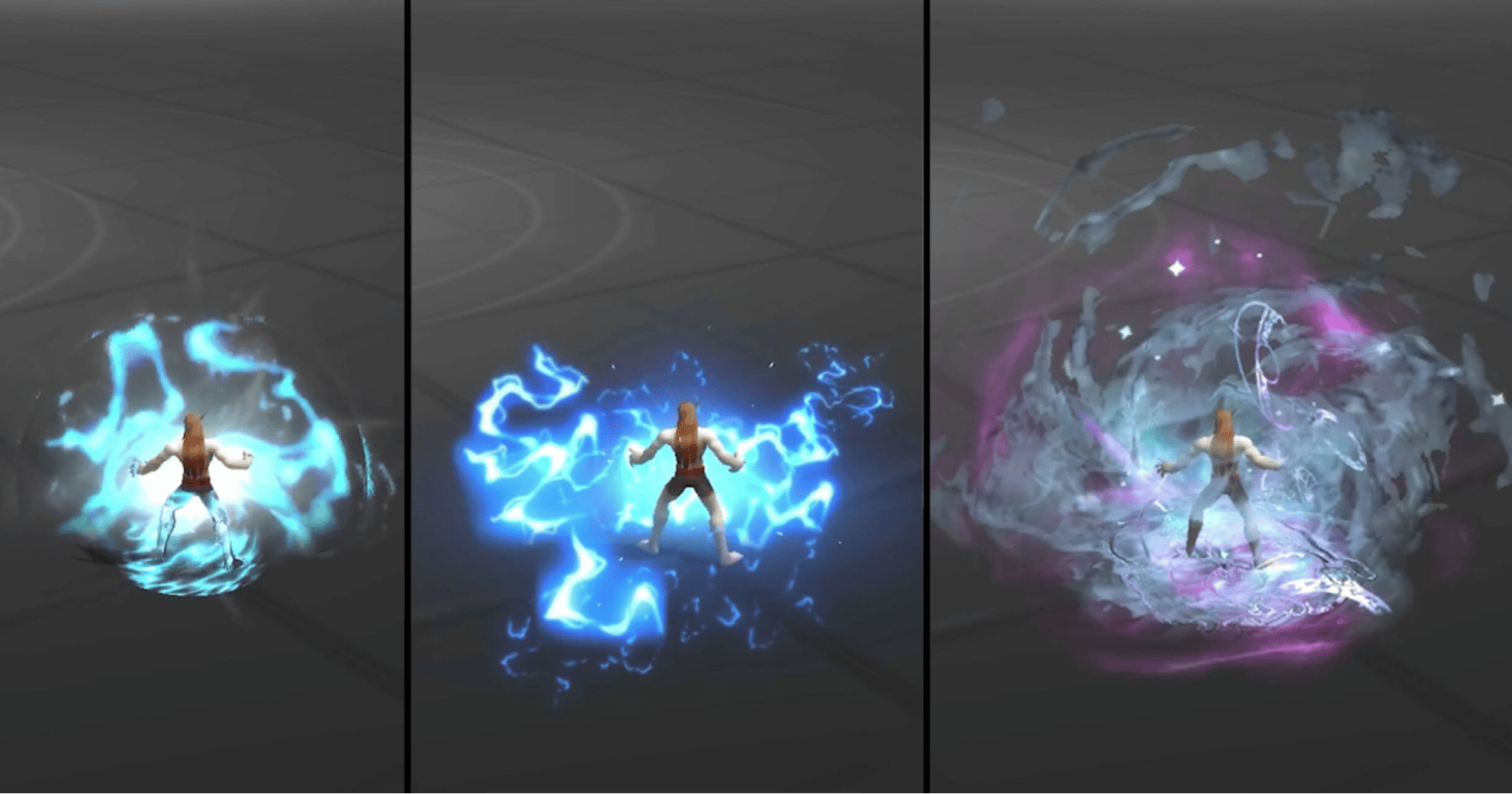
World of Warcraft. Source
Physics modeling and simulations
Physical modeling is used to make VFX look more realistic. Smoke and dust particles in Battlefield behave according to the laws of aerodynamics, while waves in Sea of Thieves imitate the physics of real water.

Sea of Thieves. Source
This area of VFX is particularly important in games where environmental realism influences the player‘s feelings. Without simulation, even a beautiful effect can look fake.
Engine integration and programming
Once an effect is ready, it must be built into the game engine, typically Unreal Engine or Unity. At this stage, it is crucial that the VFX function well in real-time settings without overloading the system.
Here, optimization is key. In Fortnite, for example, visual effects are made as lightweight as possible so that the game runs smoothly even on weaker devices. Game artists and programmers use various tricks—merging textures, reducing particle counts—to maintain spectacle while keeping the game light.
Testing and debugging
The final stage is testing readability and balance. Game testers evaluate how clear the effect is to the player. If the effect is too bright or distracting, it is refined until perfect balance is achieved.
Real time and new technologies in VFX
Modern visual effects in gaming are unimaginable without real-time execution. This is what distinguishes game VFX from cinematic ones: film viewers are passive, but players directly influence what happens in the game.
New technologies, including virtual production and VR, provide game artists and designers with an ever-expanding toolkit for creating some truly breathtaking effects.
Real time is the foundation of all visual effects in gaming. The player presses a button, and instantly something happens: an explosion, a spell flash, a sword strike. Even a millisecond delay can ruin someone’s gameplay experience. This is why VFX developers think not only about aesthetics but also about performance.
A good example of this is Overwatch, where every effect remains readable, even when dozens of animations appear on screen at once.
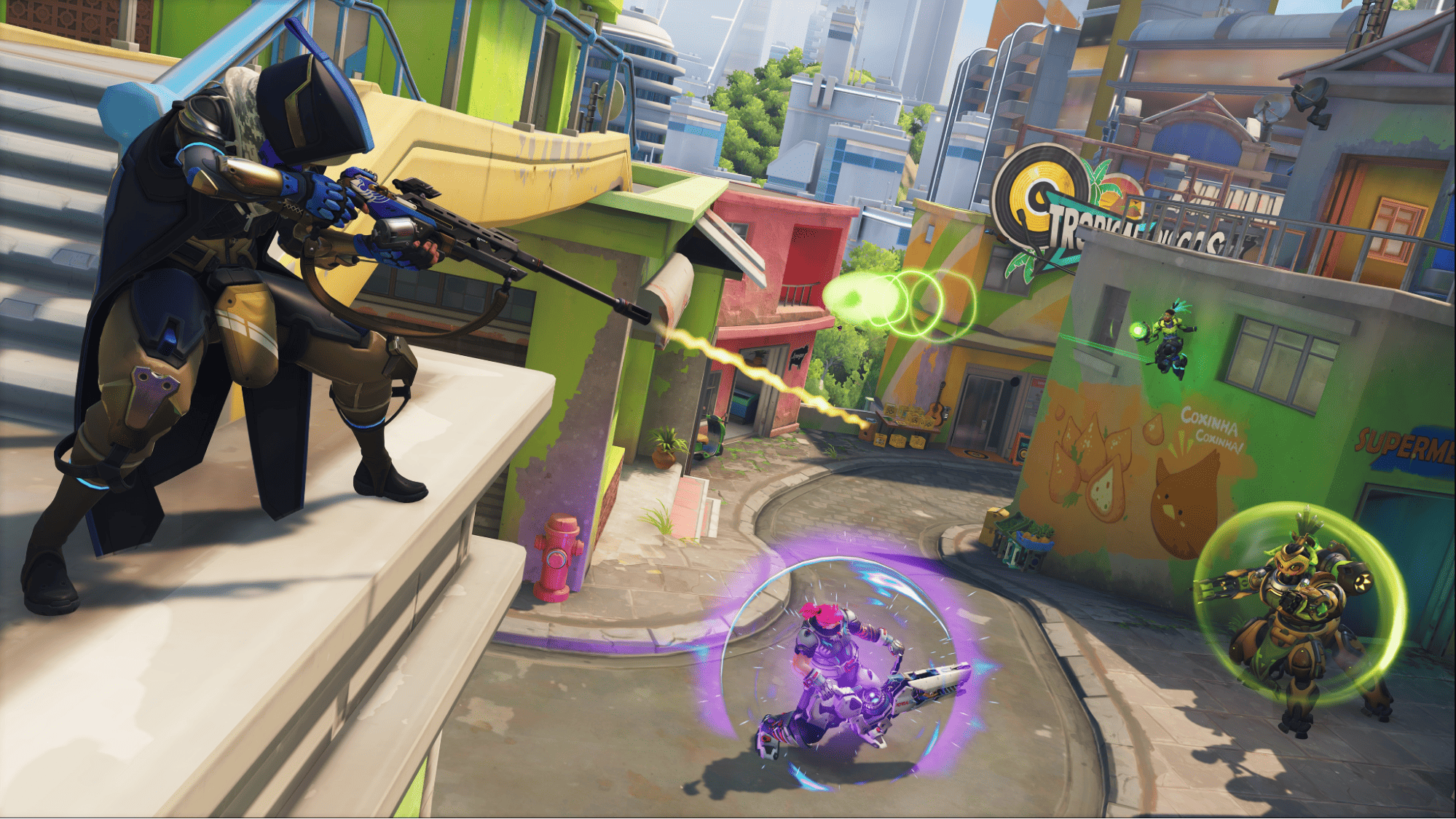
Overwatch. Source
Virtual production
Virtual production technologies allow studios to create scenes and cutscenes before a game‘s release. Game artists use tools like Unreal Engine to work out effects, environments, and shot composition.
This approach makes development more flexible: teams can test how lightning, destruction, or magic will look in a cutscene ahead of time. For example, in The Last of Us Part II, virtual production helped the team achieve cinematic quality in cutscenes without compromising performance.

The Last of Us Part II. Source
The role of virtual reality
In VR, visual effects aren’t just flashy visuals—they become part of the player‘s physical experience. In Half-Life: Alyx, rain feels like real drops falling on your skin, and fire makes you instinctively step back.
Adaptiveness plays a key role here: effects respond to player movement, creating a true sense of presence. This, in turn, heightens immersion and makes gameplay more impactful.
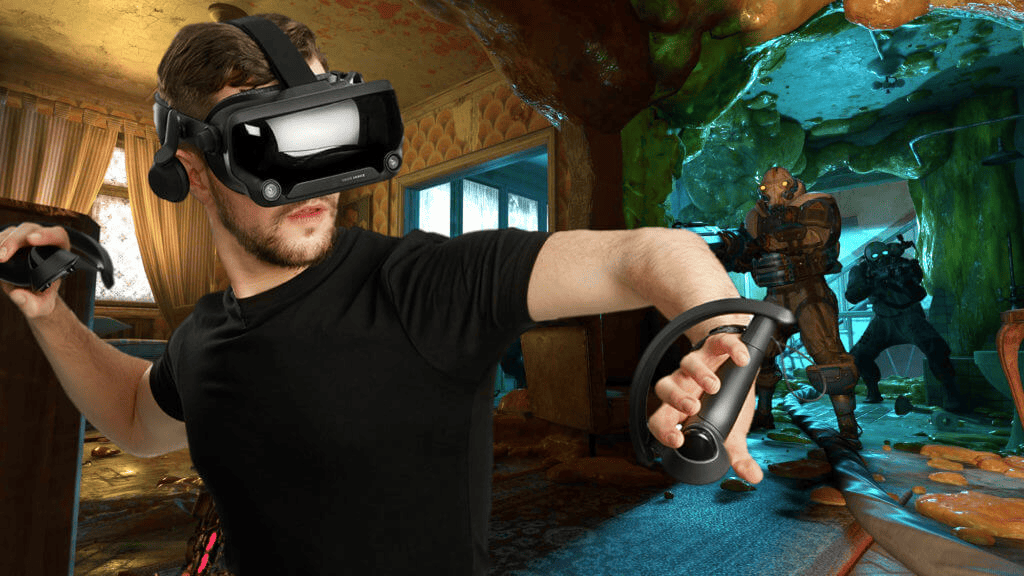
Half-Life: Alyx. Source
The art and science of VR in gaming
Working with VR requires particular precision from game artists. The VFX must be spectacular and impressive but also safe for the eyes and mind. Too bright flashes or fast animations can cause players to experience fatigue or discomfort. This is why VR VFX always seek to balance beauty, realism, and comfort.
Artistic aspects of VFX
Visual effects in games are not just about technique and simulation. They are also about art. Game artists use color, light, dynamics, and rhythm to evoke emotions in players and direct their attention. These artistic choices transform simple particles and animations into an atmosphere that sticks with you.
Color palette and atmosphere
Color largely defines the mood of a scene and can even affect gameplay. In DOOM Eternal, enemies are highlighted in a saturated shade of red, making players instantly focus on threats and feel constant tension.
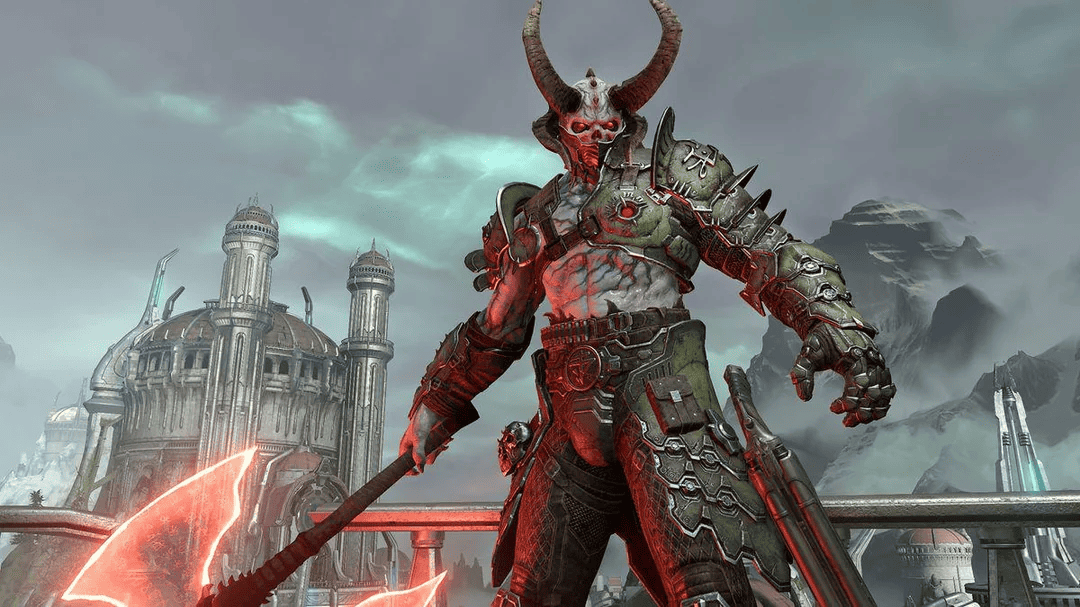
DOOM Eternal. Source
In contrast, soft blues and turquoise shades that dominate in Ori and the Blind Forest create a fairytale atmosphere of calm and comfort.

Ori and the Blind Forest. Source
The color palette helps shape the game’s emotional rhythm and makes visual effects an organic part of its narrative.
Light as an emotional tool
Lighting is one of the most important artistic elements of VFX. In Silent Hill, dim, diffuse light and fog hide details and create anxiety and uncertainty in players.
In Control by Remedy, bright, contrasting light flashes accompany the use of abilities, enhancing the sense of power and danger. Light VFX set the tone and help players parse the situation subconsciously.
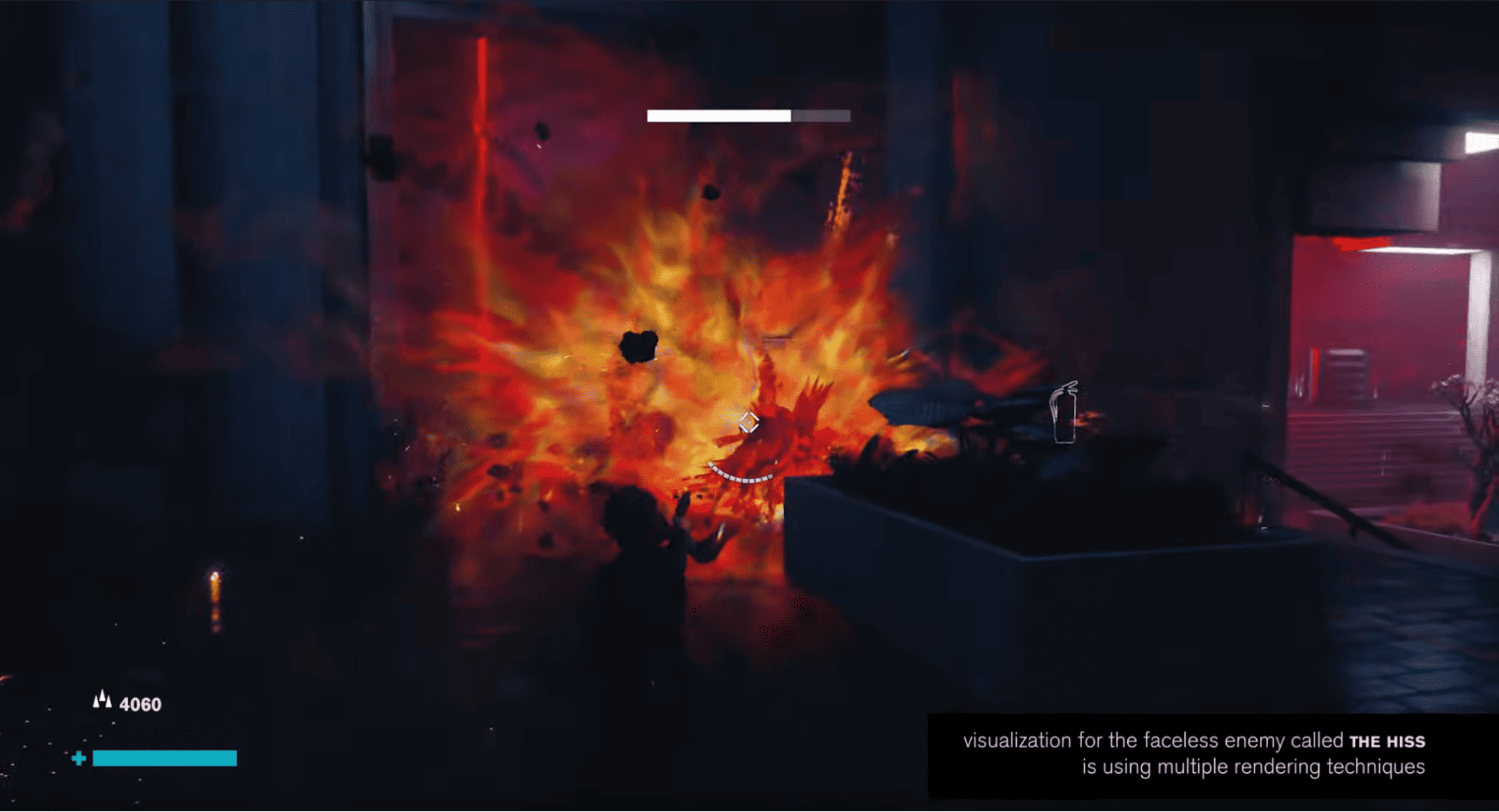
Control. Source
Dynamics and rhythm of VFX
The speed and intensity of visual effects directly impact the feel of the game. In Fortnite, fireworks and explosion VFX are fast, bright, and colorful, conveying joy, drive, and celebration.
In calmer games like Journey, the visual effects are smooth and flowing: sand waves or soft glow under the player‘s feet create a meditative mood. VFX dynamics help shape emotional accents and hint at the rhythm of gameplay.
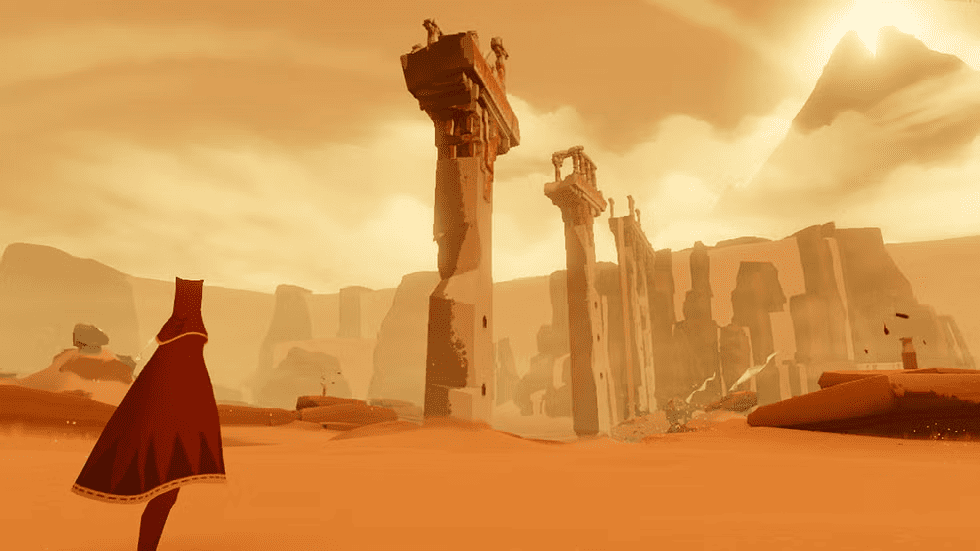
Journey. Source
Other artistic elements
Beyond color, light, and dynamics, the shape and level of detail of the VFX also play an important role.In realistic games like Red Dead Redemption 2, dust and rain particles are rendered to look as authentic as possible, drawing players into the atmosphere.
In more stylized projects, such as Hades, the VFX are graphic and symbolic. This emphasizes the game‘s unique artistic style and helps players process visuals faster.

Hades. Source
Visual style and player experience
Through VFX, players can experience the atmosphere, learn the mechanics, and feel the emotions. The choice of style directly affects how the gameplay is perceived.
Realistic VFX
Red Dead Redemption 2 uses visual effects that come as close to reality as possible and behave naturally: rain running down surfaces, grass swaying in the wind, or gunfire smoke rising. This approach deepens immersion, helping the player feel like part of a living world rather than just an observer.
Stylized minimalism
Journey and The Legend of Zelda: Breath of the Wild use simplified yet expressive VFX. Elements like swirling sand, a glowing horizon, or simplistic wind lines don’t overwhelm the visuals while also creating a fairytale atmosphere. Stylized minimalism focuses more on emotion and aesthetics than technical precision.
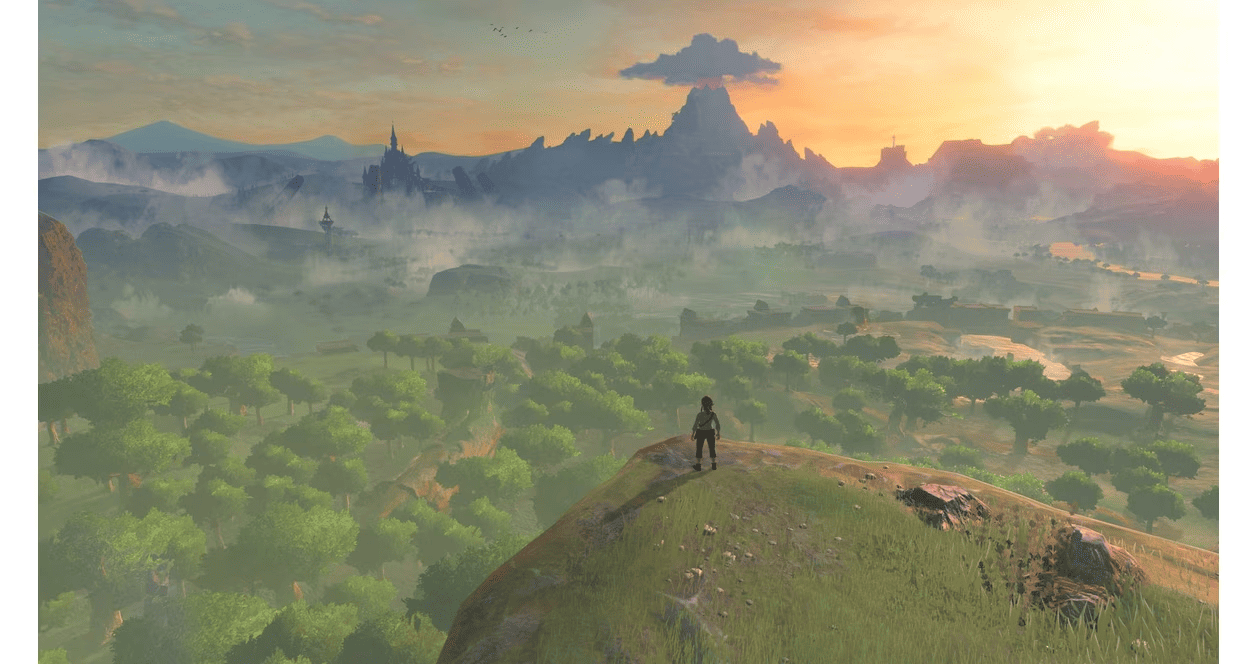
The Legend of Zelda: Breath of the Wild. Source
Flashy and cartoonish VFX
In Fortnite and Overwatch, VFX are built on saturated colors, with particle animations and effects deliberately exaggerated. Sparks exploding, weapon trails, and magic look spectacular, but not overly realistic. This creates a dynamic, energetic gaming experience where players enjoy the fast pace and visual thrills.
Dark and gloomy VFX
In Bloodborne and Dark Souls, the visual effects maintain the atmosphere of horror and tension with thick smoke, bloody splashes, and poisonous clouds. The player feels constant danger. This approach makes even simple actions—like weapon strikes—feel weighty and emotionally charged.

Dark Souls III. Source
Artistic and experimental VFX
In Control and Hades, VFX are part of the game‘s artistic language. With Control, it’s collapsing spaces and floating objects that highlight the supernatural nature of the world. With Hades, it’s graphic flashes and stylized lines that support the Greek myth aesthetic. In both titles, the visual style is woven into the narrative and shapes a unique player experience.
VFX in different game genres
Visual effects shape the gameplay experience in different ways across genres. They help players navigate the game, set the atmosphere, and heighten the emotional impact. Here’s how it happens:
Action video games
In fast-paced video games, VFX convey speed, power, and chaos. In Bayonetta, magic explosions and weapon trails accompany each strike, amplifying the spectacle of combat.
In shooters like Battlefield V, visual effects such as explosions, sparks, and smoke make battles feel realistic, while in Devil May Cry 5, they add a stylish, flashy edge. Readability is crucial for action VFX: players must be able to quickly assess the battlefield.
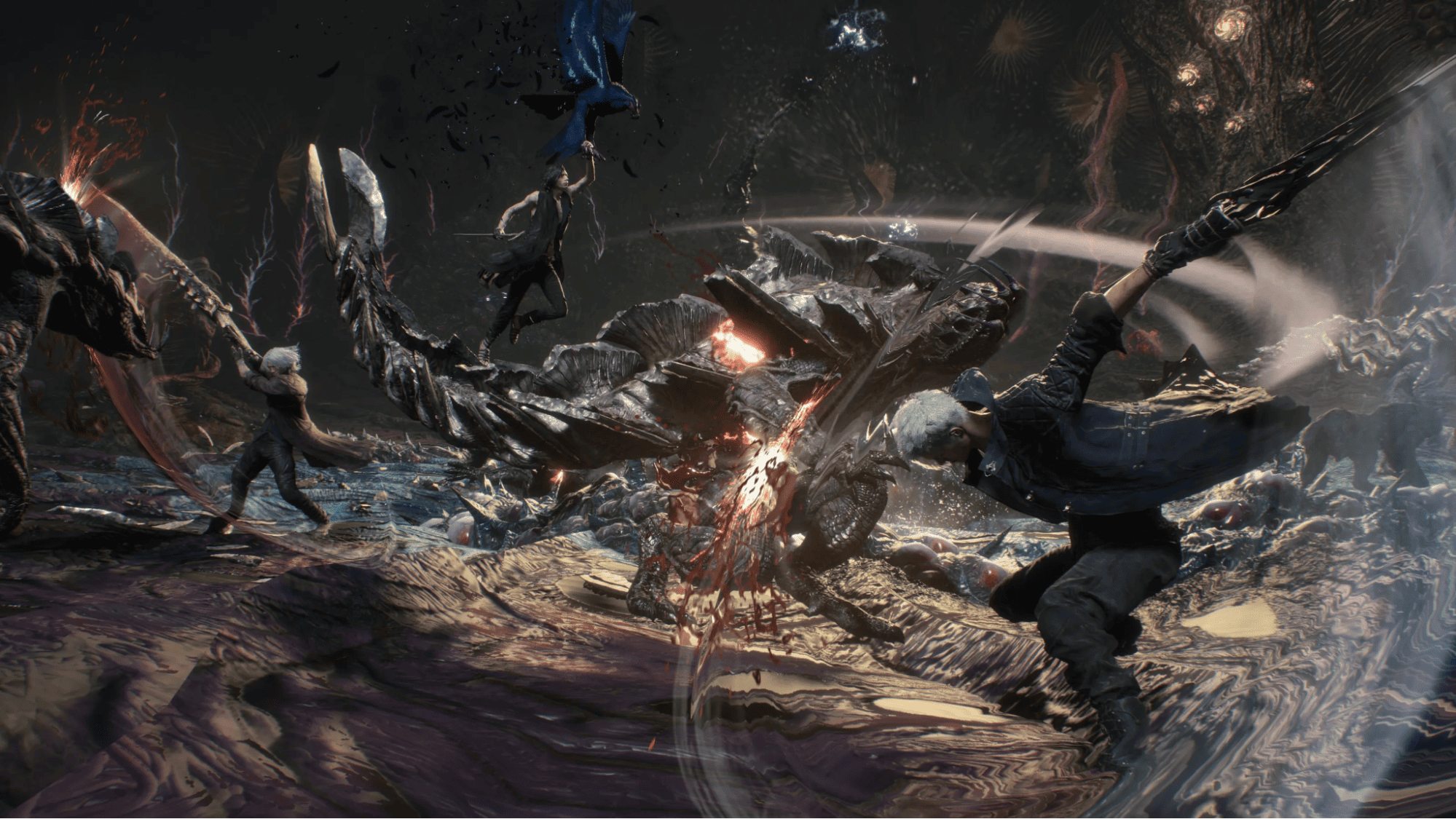
Devil May Cry 5. Source
Adventure and narrative video games
In these games, VFX enhance the storytelling and atmosphere. In The Witcher 3, spell effects and environmental particles enhance the sense of immersion.
In Life Is Strange, visual effects like shimmering particles that appear when using time-rewind powers make the gameplay emotionally charged.
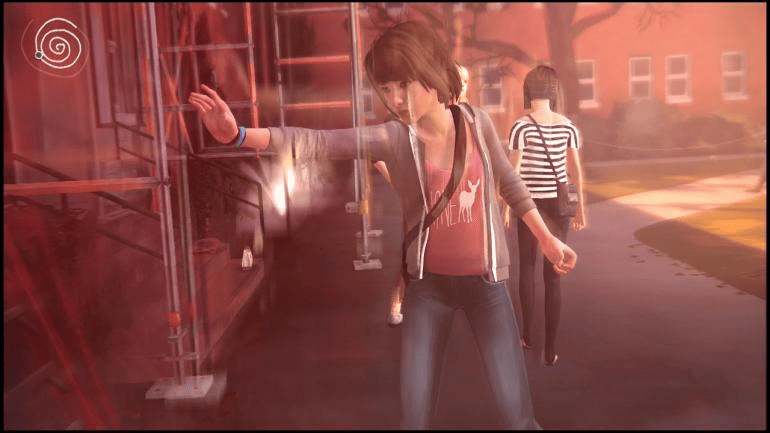
Life Is Strange. Source
In indie adventure video games like Ori and the Will of the Wisps, soft light and particle effects help guide players while emphasizing the game’s artistic style.
Casual video games
In this genre, VFX are often minimal but functional. In Monument Valley, glowing highlights and gentle platform animations show players where to move without excessive explanations. In Two Dots and Candy Crush Saga, bursts of light and particles create a sense of reward for successful moves, motivating players to keep going.
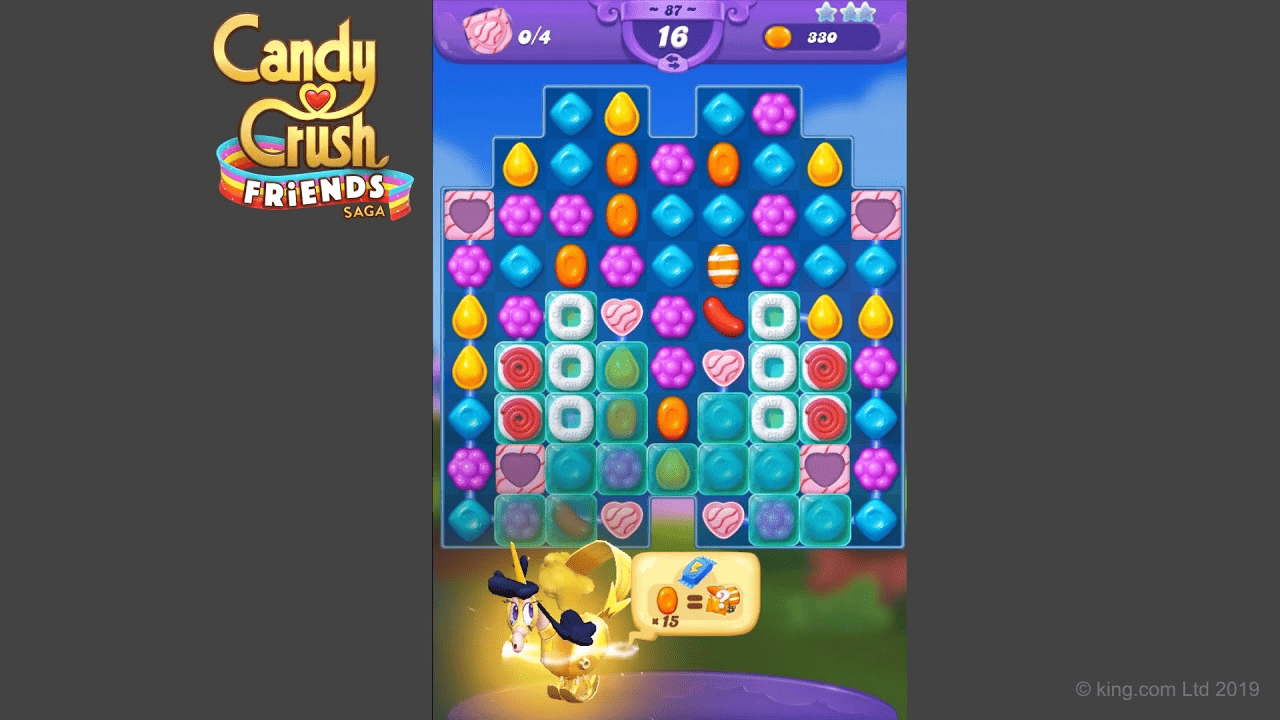
Candy Crush Saga. Source
Even simple visual effects should guide attention and help players focus on solving tasks.
Simulators and strategies
In strategy and sim games, VFX help players analyze situations. In Cities: Skylines smoke from factories, traffic flow, and weather VFX provide visual cues about city growth. In Total War, visual effects in battles—arrow trails, catapult blasts, dust from marching troops—allow players to read the flow of combat and plan their next move.
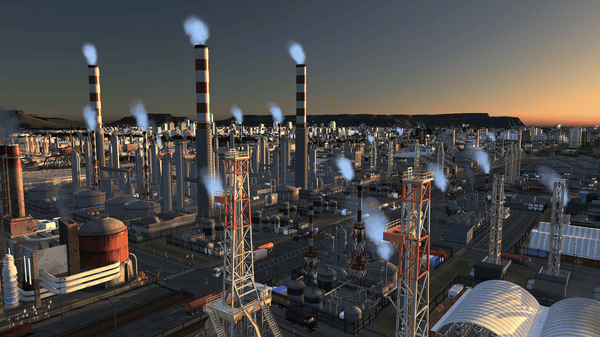
Cities: Skylines – Industries. Source
RPGs and indie video games
In RPGs and indie projects, VFX often communicate a unique style. In Hollow Knight, spell VFX, lighting, and particles make the world feel alive and expressive. In Hades, bright explosions and graphic strike trails emphasize its stylized animation. These visual effects strengthen the narrative of the game and create an emotional bond with the game world and its inhabitants.
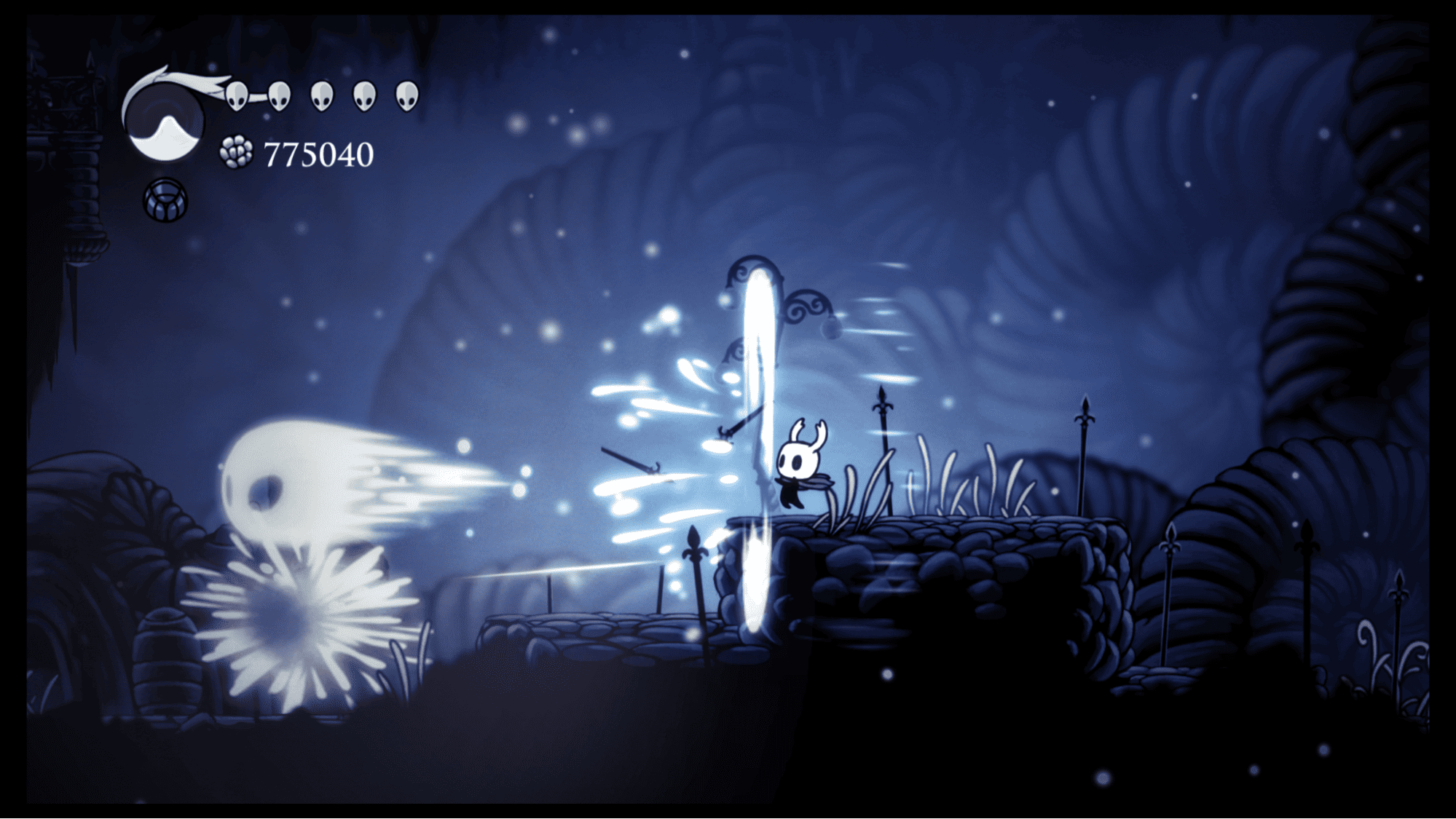
Hollow Knight. Source
The future of VFX in video games
Visual effects technology is evolving faster than ever, with several key trends already shaping the future of upcoming titles:
1. Next-level realism in gaming
With the release of Unreal Engine 5 (Nanite, Lumen), game developers now have tools for creating near-photorealistic simulations. Smoke particles, fire dynamics, and light reflections now look so real that the line between game and film is beginning to blur.
2. Adaptive and “smart” VFX
Visual effects are becoming dynamic and responsive to players. In VR, for example, the intensity of the rain may depend on the player’s movement speed, while in shooters, flashes may dim during extended gaming sessions to help reduce eye strain.
3. Cross-media and the metauniverse
Game VFX are increasingly used beyond gaming, in areas such as architecture, virtual concerts, and online shows (Fortnite x Travis Scott). Soon, this will be the norm, and visual effects will become a shared language across video games, movies, and online events.
4. AI in VFX creation
AI is already used to generate textures and animations. In the future, neural networks could prototype VFX in real time, adapting to a game’s artistic style. Game artists will focus more on creativity and concept, with less time spent on repetitive tasks.
5. Emotion-oriented VFX
VFX in gaming won’t just add spectacle—they’ll guide emotion. In horror titles, a thin layer of fog could increase the feeling of unease, while in narrative-driven video games, light and color shifts could reflect story beats.
Visual effects are a blend of art and technology. They breathe life into games and help make them truly unforgettable. If you want your projects to stand out and leave a lasting impression on players, reach out to INLINGO for inspiring real-time VFX.