Want players to love your game, actually play it, and not see it get banned? Then it’s time to ditch the idea of “we’ll just run it through AI translation.” Localization is about understanding, adapting, and not messing up. And for that, you have to work with cultural codes. Inlingo and Futura Digital shared their insights into how to get localization right.
What is a cultural code?
A cultural code is a set of symbols, associations, values, images, words, and behavioral patterns that are meaningful and instantly recognizable to a specific culture. It’s an invisible “language” through which people interpret meaning.
It influences how a person processes information:
- What earns their trust.
- What feels offensive or inappropriate.
- What’s funny, sad, sacred, or taboo.
- Which colors signal life, death, luck, or danger.
- What’s considered a “normal” woman, man, family, or hero.
Cultural codes are shaped by history, religion, tradition, the media, and your upbringing. And they can differ wildly, even between neighboring countries, because context changes everything.
Real-world examples of cultural codes
- In the U.S., political jokes? Totally fine. In China? You could get your game pulled.
- In Japan, silence equals respect. In post-Soviet countries, it might just feel awkward.
- In many Arab cultures, the left hand is considered unclean—a character offering food with it could be seen as offensive.
- In France, irony and sarcasm are adored, while in Brazil, they might come across as rude.
The same scene or line of dialogue can trigger laughter in one culture, confusion in another, and tears or outrage in a third. If you overlook cultural codes, your game could flop—even if it’s technically amazing.
What is culturalization, and why does it matter in video games?
Culturalization is more than just translating words—it’s translating meaning. It’s about adapting your content to the cultural context of your audience. That includes language, yes, but also visuals, sounds, symbols, and associations. When you take your game global, you have to speak to players in their own language—both literally and figuratively.
Ignore this, and you risk:
- getting blocked by platforms.
- sparking backlash on social media.
- losing the trust and loyalty of your audience.
- accidentally creating a controversial meme and getting canceled.
Language, visuals, storylines, food, religion—it all matters
When you’re developing a game, you draw on your own cultural reference points. But once you release it in a new region, you’re stepping onto a whole new stage with a different set of rules.
Here’s what can go wrong:
- Idioms and jokes. An English idiom like “kick the bucket” might land with a thud in China—and not in a good way. A barbecue joke in Australia? Risky, especially if it touches on indigenous customs or sensitivities.
- Colors. In China, white symbolizes death. In the Middle East, green can carry strong religious significance. That ever-present green button in games? In some regions, it may be seen as inappropriate or offensive if the cultural context isn’t considered.
- Gender and roles. What’s normal in one country can be seen as outdated, stereotypical, or even discriminatory in another. And it’s not just about “sensitive” players. We’re talking real consequences: potential reports, complaints, and a drop in ratings.
- Clothing and symbols. A symbol resembling a swastika, even if it’s a Buddhist one, can cause outrage in Europe. Revealing outfits for characters? Major red flag in religiously conservative regions.
- Food. Some types of food can be deeply taboo due to religious or cultural traditions.
- History and politics. One poorly named character, one suggestive level—and suddenly, you’re not the “game of the year,” you’re the “game that must be banned.”
Mistakes that could cost you dearly
The most costly mistakes tend to be ones that break cultural codes enshrined in law. Even the biggest studios, with world-class localization teams, sometimes slip up. It’s nearly impossible to get everything right, but striving for cultural sensitivity is essential if you want to avoid backlash.
Before beginning to develop a game, you need to know which markets the company plans it to enter and what legal restrictions it should expect there. This foresight allows you to plan ways to adapt to local requirements in advance, such as more modest skins for characters or alternative location design elements.
What always carries the risk of a redesign or a ban:
- Cruelty, violence, blood, and death
- Sex and nudity
- Drugs, alcohol, tobacco, and smoking in general
The laws that define what is or isn’t considered acceptable vary in different countries.
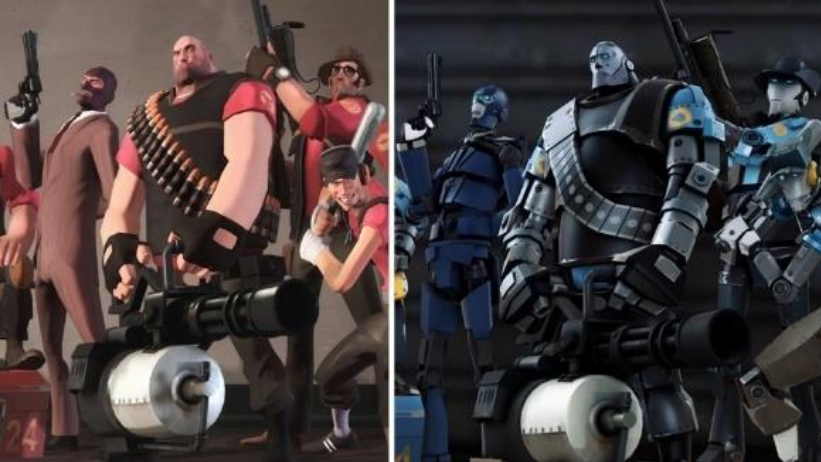
Team Fortress 2, Germany. Due to the copious amount of blood and violence, humans were replaced by robots.
The good news: requirements concerning themes deemed harmful tend to be very clear, so they can be taken into consideration in advance. And more often than not, the presence of such elements only tends to lead to mandatory labeling with an age rating of 18+, which in reality only partially limits consumer access to the game.
But you should still remain vigilant—in some cases, the presence of behavior viewed as harmful to society in a certain region can result in a total ban on the game there without any possibility of rectifying it.
Disco Elysium is an example of a game that was initially banned in Australia.
Alcohol and drugs are more than background elements in this game—they’re integral parts of the story and mechanics to engage with the world that can’t simply be replaced with grape juice or crops for sale.
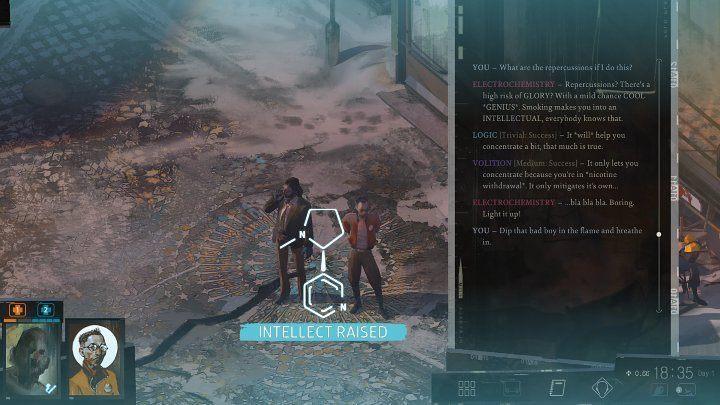
Disco Elysium, screenshot from the game. Skill bonus gained thanks to bad habits.
Religious topics and historically or politically sensitive ones
This is probably the most delicate area of concern in culturalization. Games that broach sensitive topics or treat symbols the “wrong” way risk a ban or a backlash.
When Fallout 3 was localized for Japan, the question arose of what to do with the quest where a player can choose to destroy a huge city by detonating an atomic bomb called “Fat Man.” Bethesda Softworks didn’t wait to get blocked and took the initiative to change the name of the bomb and only left the option to deactivate it. In doing so, they avoided a huge backlash.
2K had far fewer options at their disposal to adapt to one particular target market. Their game Spec Ops: The Line is set in a Dubai buried by massive sandstorms and was banned in the UAE. Although no official explanation was given for the reasoning behind the ban, the zero tolerance for any state criticism in the UAE presumably played a role in this decision. Not only does the desert bury the streets of the hitherto magnificent city in this story, but also the evidence of the state’s role in condemning its citizens to death.
Devotion (Red Candle Games). The game was pulled from Steam after players discovered a hidden message referring to a meme that compares a real-world political leader to Winnie the Pooh.
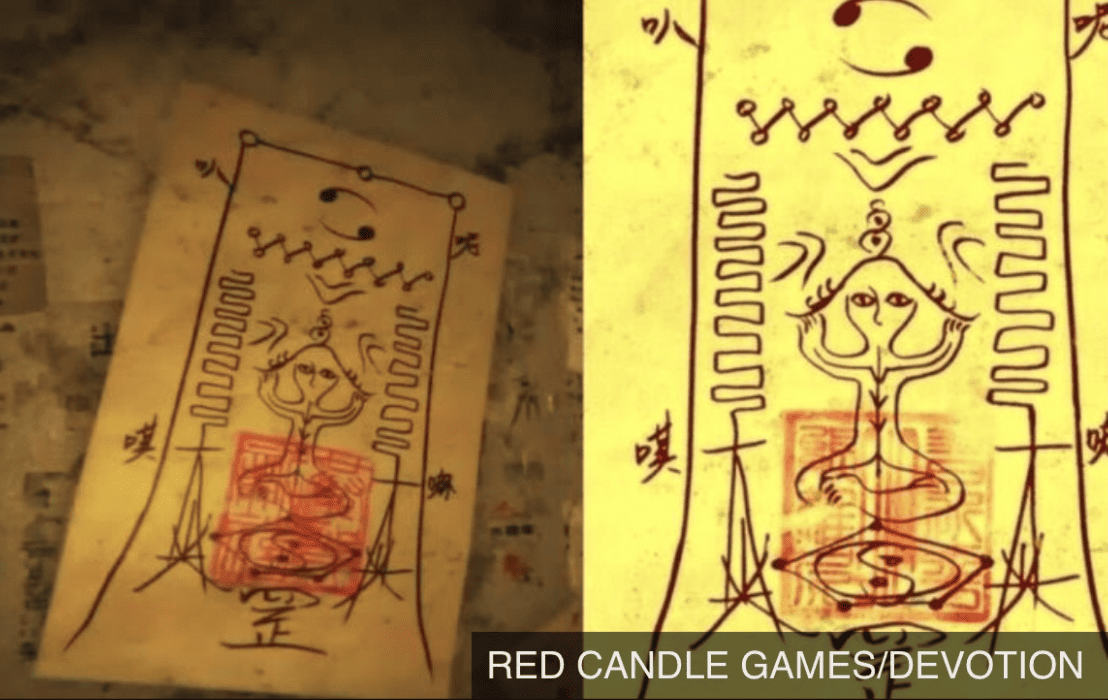
In-game screenshot. The result? A global scandal, revoked licenses, and serious financial losses.
While the examples mentioned so far may be considered foreseeable pitfalls, bans can sometimes be imposed for totally unforeseeable reasons. Take Animal Crossing as an example. The game was removed from sale in China after players used it as a platform for political protest, staging virtual demonstrations within the game world. Why? Because no one considered how in-game tools might be interpreted across different cultural contexts.
But what happens when culturalization works?
Assassin’s Creed: Origins. A masterclass in how deep respect for Egyptian culture, meticulous attention to historical context, and expert consultations can elevate a game to global success. This thoughtful approach didn’t just win over Western audiences; it turned the game into a bestseller across the Arab world as well.
Ubisoft didn’t simply make a game about Ancient Egypt—they partnered with historians and scholars to ensure cultural accuracy and depth. Special attention was paid to religious practices, clothing, architecture, and the social hierarchy of the time. The game even introduced Discovery Tour, a non-combat educational mode that lets players explore Ancient Egypt like a living museum—a feature praised by history teachers and players worldwide.
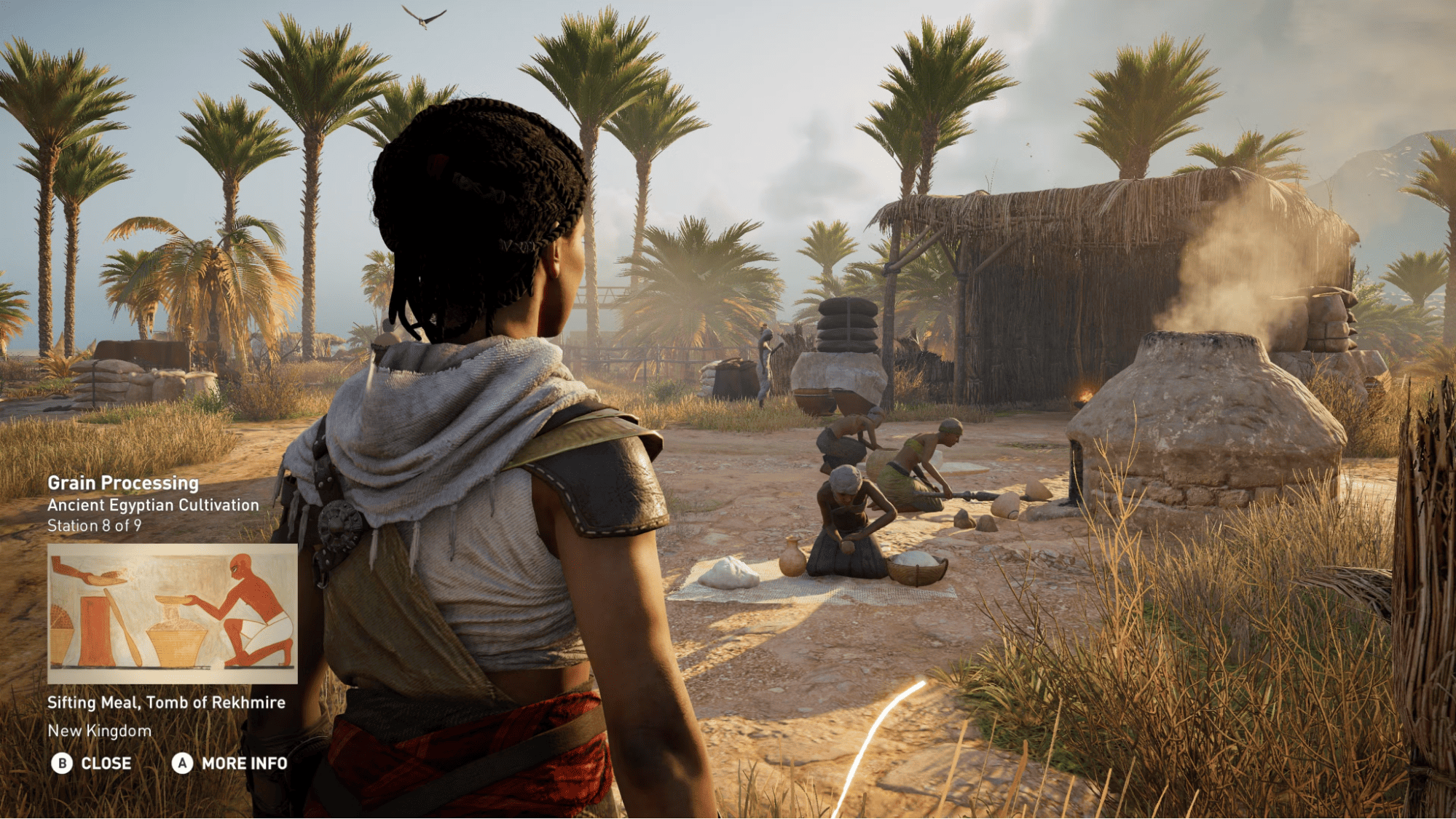
Discovery Tour in Assassin’s Creed: Origins. Source
Genshin Impact. A smart cultural adaptation of festivals, outfits, and dialogue has helped the game maintain a loyal global fanbase across Asia, Europe, and the U.S. The game’s developer has dedicated culturalization teams, and it’s paying off.
Chinese developer HoYoverse didn’t just translate; they localized on a cultural level. Each in-game region reflects a real-world culture: Liyue draws on China, Inazuma draws on Japan, while Sumeru is inspired by the Middle East and South Asia. Architecture, music, myths, food, clothing, and even character values were crafted to feel authentic and familiar, all without falling into stereotypes. The payoff? Deep engagement, fan loyalty, and a sense of cultural appreciation from players around the world.
The Sims. The game has long been tailoring clothing, content, characters, and behaviors to reflect local cultures—an approach that’s kept them off the “banned in countries” list.
For years, The Sims has been a gold standard for cultural localization, and it shows. Developers tailor clothing, content, character behavior, and even holidays to match local sensibilities. In the Arabic version, revealing outfits are removed, while in China, lucky symbols and family values are adapted. When content celebrating Ramadan and traditional clothing was added to the game, players in Muslim countries responded with enthusiasm—they felt seen and respected.
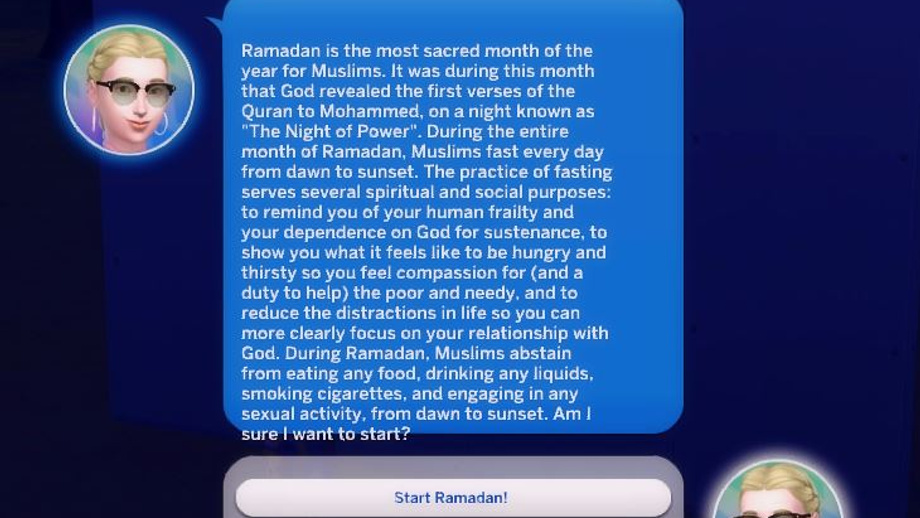
A special Ramadan message in The Sims 4. Source
If you:
- want to connect with your audience, not clash with it…
- don’t plan on losing revenue to bans and takedowns…
- are aiming to scale your project without risking a PR disaster…
…then culturalization isn’t an “optional extra.” It’s a core part of production, like testing, bug fixing, and game design. It’s about protecting your product.
Why AI-based localization is a risky move
AI doesn’t understand cultural nuance. It can’t recognize a joke, sense what’s appropriate, or tell a religious symbol from a decorative one. It doesn’t think about how your game will be received in Saudi Arabia, China, Germany, or Brazil.
We do. After localizing hundreds of projects over the years, we know what matters to different countries, players, and cultures.
When you work with a professional localization studio, you’re not just getting a translated script. You’re getting deep expertise in language, culture, laws, audiences, and platforms. It’s a comprehensive process that starts long before launch day.
What a studio brings that AI can’t:
1. We speak the culture, not just the language.
AI might translate your joke about “axe porridge,” but it won’t realize it falls flat in Japan or baffles players in Brazil.
Our team understands audience reactions: what resonates and what could backfire. We don’t only translate words—we translate meaning, emotion, and player experience.
2. We prevent mistakes that can wreck your game.
AI doesn’t know that a character with a tattoo might be banned in Korea or that a ghost scene could block certification in Arabic-speaking regions.
We stay ahead of legal restrictions, religious sensitivities, and ethical boundaries. We’ll flag what needs changing, be it visuals, dialogue, or even mechanics.
3. We adapt visuals, UI, and voice-over.
Localization involves more than just working with text. The studio ensures translations fit the UI, buttons don’t break, and nothing gets cut off.
We also adjust voice-overs so they sound natural, not robotic, and preserve the original tone. Gamers detect inauthenticity instantly. One slip, and you lose their trust.
4. We create emotional impact.
AI can’t invent local memes, drop culturally relevant phrases, or capture a character’s vibe.
We preserve personality, humor, and charm so that players can connect with your characters, not just understand their lines.
5. We invest in your long-term success.
A localization studio is a partner, not a tool. We help you:
- launch without getting blocked.
- earn top reviews.
- keep players engaged for years.
- become “one of them” across cultures.
The bottom line on cultural adaptation
Investing in culturalization means respecting your audience, protecting your game from reputational and legal risks, building an emotional bridge with players, and extending your title’s lifespan. Because today, one misstep is all it takes to get your game canceled. Because today, one misstep is unfortunately all it takes to get your game canceled.